
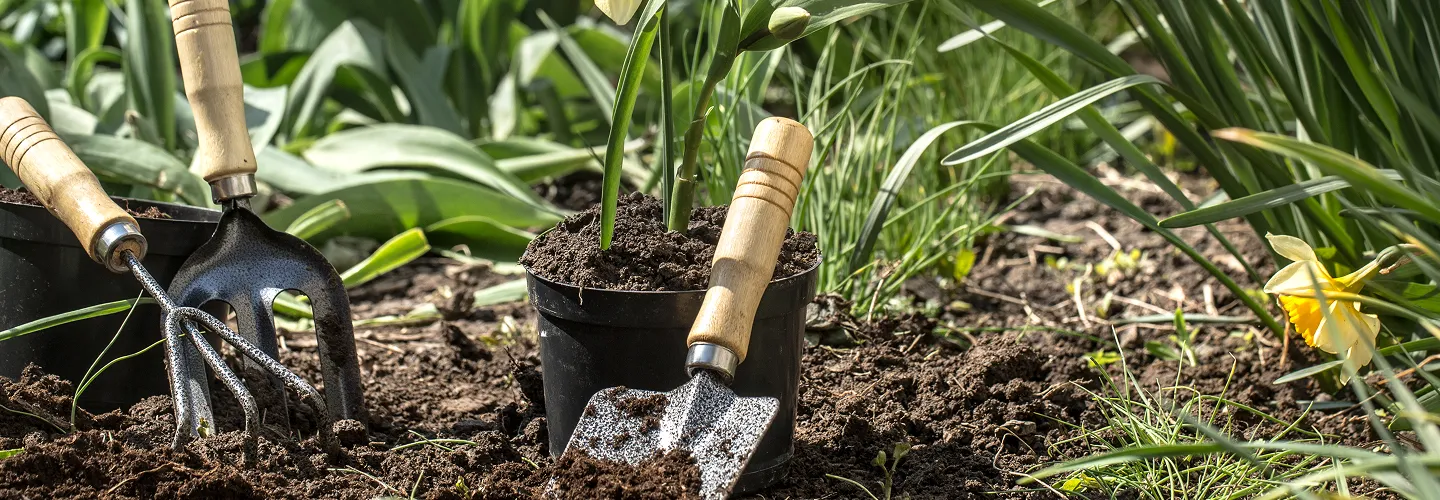
Augusta Flower Planting Services
Choose our flower planting services for vibrant, expertly arranged blooms that enhance your curb appeal and thrive in Augusta’s unique climate—bringing lasting beauty to your home or business.
Get a Free QuoteOur Augusta Landscaping & Yard Care Services
When to Schedule Flower Planting in Augusta, Georgia – Seasonal Guide
Augusta’s unique climate, characterized by warm, humid summers and mild winters, plays a significant role in determining the best times for flower planting. Typically, the optimal planting windows are early spring—after the last frost date, which usually falls in mid-March—and early fall, when temperatures begin to cool but before the first frost in November. These periods allow new plantings to establish strong root systems before facing the extremes of summer heat or winter chill.
Local neighborhoods such as Summerville and West Augusta often experience microclimates due to varying tree coverage and proximity to the Savannah River, which can influence soil moisture and temperature. Homeowners near landmarks like Augusta National Golf Club may notice that shaded areas require different planting schedules compared to sunnier, open yards. It’s also important to consider Augusta’s sandy, well-draining soils, which can impact water retention and drought risk. For more detailed local planting guidelines, consult resources like the City of Sudbury’s environmental page.
Local Factors to Consider for Flower Planting in Augusta
- Tree density and shade coverage in your yard
- Soil type and drainage, especially in areas near the Savannah River
- Average precipitation and risk of summer drought
- Terrain variations, such as slopes or low-lying spots
- Municipal restrictions or neighborhood association guidelines
- Proximity to landmarks or bodies of water that affect microclimates
Benefits of Flower Planting in Augusta

Expert Local Knowledge
Customized Plant Selection
Seasonal Color Enhancements
Professional Installation
Low-Maintenance Solutions
Boosted Curb Appeal

Augusta Flower Planting Types

Perennial Flower Beds
-
Annual Flower Displays
-
Native Wildflower Gardens
-
Seasonal Bulb Plantings
-
Pollinator-Friendly Plantings
-
Shade Garden Flowers
-
Drought-Tolerant Flower Beds
Our Flower Planting Process
Site Evaluation
Soil Preparation
Plant Selection
Careful Planting
Watering and Mulching
Why Choose Augusta Landscape Services
-
Augusta Homeowners Trust Us
-
Expert Lawn Maintenance
-
Reliable Scheduling
-
Competitive Pricing
-
Professional Team
-
Satisfaction Guarantee
-
Personalized Service
Augusta's Fall Zone Transition and Optimal Flower Planting Windows
Augusta sits within USDA Hardiness Zone 8a, where the long warm season—typically extending from mid-March through late October—creates two distinct planting windows for annual and perennial flowers. The USDA Plant Hardiness Zone Map confirms average minimum winter temperatures between 10°F and 15°F, which directly influences species viability. For best establishment, residents and property managers should observe the following timing guidance:
- Spring annuals (petunias, marigolds, zinnias): plant after the last average frost date, typically mid-March to early April
- Fall annuals (pansies, violas, ornamental kale): plant from mid-October through mid-November, once daytime highs consistently drop below 80°F
- Perennials (coneflowers, daylilies, lantana): install in early spring or early fall to allow root establishment before temperature extremes
- Summer-blooming tropicals (mandevilla, pentas): delay until soil temperatures reach 65°F, usually by late April
The National Weather Service Columbia, SC forecast office serves the Augusta area and provides frost advisories critical for protecting newly installed plantings.
Soil Preparation in Augusta's Piedmont-to-Coastal Plain Transition Soils
Augusta occupies a unique geological position along the Fall Line, where Piedmont red clay soils transition into sandy Coastal Plain deposits. The USDA Web Soil Survey identifies several predominant soil series in Richmond County, including the Cecil, Appling, and Orangeburg series on upland sites, and Toccoa and Chewacla series along floodplain corridors near the Savannah River and its tributaries. These soils present distinct challenges for flower bed preparation:
- Cecil and Appling clays (common in western Augusta): pH typically ranges from 5.0 to 5.8; beds require lime amendment and organic matter incorporation to improve drainage and reduce compaction
- Orangeburg and Norfolk sandy loams (common in eastern and southern Augusta): drain rapidly and may require compost or peat amendment to improve moisture retention
- Floodplain soils near Rae's Creek and Rocky Creek: often poorly drained with seasonal saturation; raised beds may be necessary
UGA Cooperative Extension recommends soil testing through the Richmond County Extension office before amending beds. Testing identifies pH, phosphorus, potassium, and organic matter levels, enabling targeted amendment rather than guesswork. Incorporate 3–4 inches of composted organic matter into the top 8–10 inches of soil for most Augusta flower beds.
Protecting Augusta's Stormwater Infrastructure During Bed Installation and Mulching
Flower bed installation, soil amendment, and mulching activities can generate loose material that migrates into Augusta's municipal stormwater system if not properly contained. Augusta-Richmond County operates under a Municipal Separate Storm Sewer System (MS4) permit regulated by the Georgia EPD Watershed Protection Branch, which requires the county to minimize pollutant discharge into local waterways including the Savannah River, Butler Creek, Rocky Creek, and Rae's Creek. Property owners and contractors should follow these precautions:
- Do not stage bulk soil, mulch, or compost adjacent to storm drain inlets or curb openings
- Install temporary silt barriers or fiber rolls around beds on sloped properties where loose material could wash toward drainage infrastructure
- Avoid applying mulch deeper than 2–3 inches; excess mulch floats and migrates during heavy rain events common in Augusta's summer thunderstorm season
- Sweep or collect displaced soil and mulch from sidewalks, driveways, and streets promptly after installation
For questions about stormwater compliance or drainage concerns near flower planting projects, residents may contact Augusta's Environmental Services division.
Augusta Environmental Services
535 Telfair Street, Augusta, GA 30901
Phone: (706) 796-5025
Official Website: Augusta Environmental Services
How Augusta's Tree Commission Guidelines Affect Flower Planting Near Mature Canopy
Many Augusta properties feature mature hardwoods—oaks, pecans, and magnolias—that create dense shade canopy and extensive root zones. The Augusta Tree Commission provides guidance on urban forestry preservation, and property owners should be aware that flower bed installation near protected or significant trees requires careful planning to avoid root damage. Key considerations include:
- Do not excavate deeper than 3–4 inches within the drip line of mature trees; severing major roots compromises tree health and stability
- Select shade-tolerant species for beds under canopy: hostas, impatiens, begonias, caladiums, and ferns perform well in Augusta's filtered-light conditions
- Avoid mounding soil or mulch against tree trunks; maintain a 6-inch clearance ring to prevent moisture-related bark decay
- Use hand tools rather than tillers within root zones to minimize disturbance
The Augusta Tree Commission can advise on species-specific root sensitivity and canopy preservation when planning flower installations on properties with significant tree coverage.
Georgia Fertilizer Regulations and Responsible Flower Bed Nutrition Practices
Flower bed fertilization in Augusta must comply with the Georgia Fertilizer Act of 1997, administered by the Georgia Department of Agriculture - Fertilizer program. This law regulates the labeling, sale, and distribution of fertilizer products and ensures that nutrient content claims are accurate. For Augusta flower planting projects, responsible fertilization practices include:
- Apply slow-release, balanced fertilizers (such as 10-10-10 or flower-specific blends) at rates recommended by UGA Extension soil test results—typically 1–2 pounds of actual nitrogen per 1,000 square feet annually for established beds
- Time applications to coincide with active growth: early April for spring plantings and mid-October for fall cool-season flowers
- Avoid fertilizer application within 10 feet of streams, drainage ditches, or stormwater conveyances to reduce nutrient loading into Augusta's waterways
- Do not apply granular fertilizer to impervious surfaces; sweep any displaced product back into beds immediately
The Georgia EPD monitors water quality in the Savannah River basin, and excess phosphorus and nitrogen from landscape fertilization contribute to algal growth and aquatic habitat degradation. Augusta property owners bear responsibility for ensuring that flower bed nutrition practices do not compromise local water quality.
What Neighborhoods Do We Serve Throughout Augusta, GA?
- Summerville / The Hill: This historic neighborhood features mature oak and magnolia canopy, older compacted clay soils, and established garden beds that often require shade-tolerant flower selections and careful root-zone planting techniques beneath significant trees.
- West Augusta / National Hills: Properties in this area typically sit on Cecil and Appling clay soils with moderate slopes; flower beds benefit from organic amendment and drainage improvement, and many lots adjoin wooded corridors requiring deer-resistant plant choices.
- Martinez: A suburban area with newer subdivisions often built on graded and compacted fill soils; flower bed preparation frequently requires deeper soil amendment and attention to subdivision drainage easements and HOA frontage standards.
- South Augusta: Lower-elevation properties near the Savannah River floodplain encounter Toccoa and Chewacla series soils with seasonal wetness; raised flower beds and moisture-tolerant species such as cannas and swamp sunflowers are often appropriate.
- Montclair / Forest Hills: Mid-century neighborhoods with established landscapes, mature shade trees, and moderately acidic soils; seasonal flower rotations and soil pH correction through lime application are common maintenance needs.
- Augusta West / Wheeler Road Corridor: Commercial and residential properties along this corridor face high-visibility frontage expectations; flower planting must account for utility easements, right-of-way setbacks, and irrigation access from Augusta's municipal water system.
Augusta Water Department
360 Bay Street, Suite 180, Augusta, GA 30901
Phone: (706) 312-4154
Official Website: Augusta Water Department